Active Learning Classroom Techniques
Building on the philosopy that students learn math by doing math, I share some (evidence-based) strategies for an active learning classroom from lectures to group work.
Goal of the Teaching Practice
The goal was to improve students’ ability to read mathematics independently, solve problems without templates, and develop deeper understanding through sustained focus. The course design was informed by work emphasizing active problem solving and extended, distraction-free engagement. A secondary goal was to create a classroom structure that supports students with diverse backgrounds while maintaining clear expectations and academic rigor.
What Was Done
The course was run using an active-learning classroom model. Each class followed a consistent structure:
- A short mini-lecture (10–40 minutes) focused on essential ideas from the reading. Students were actively engaged through targeted questions, discussion, and being called on by name. The purpose was to orient students and prepare them for problem solving rather than to present full solutions.
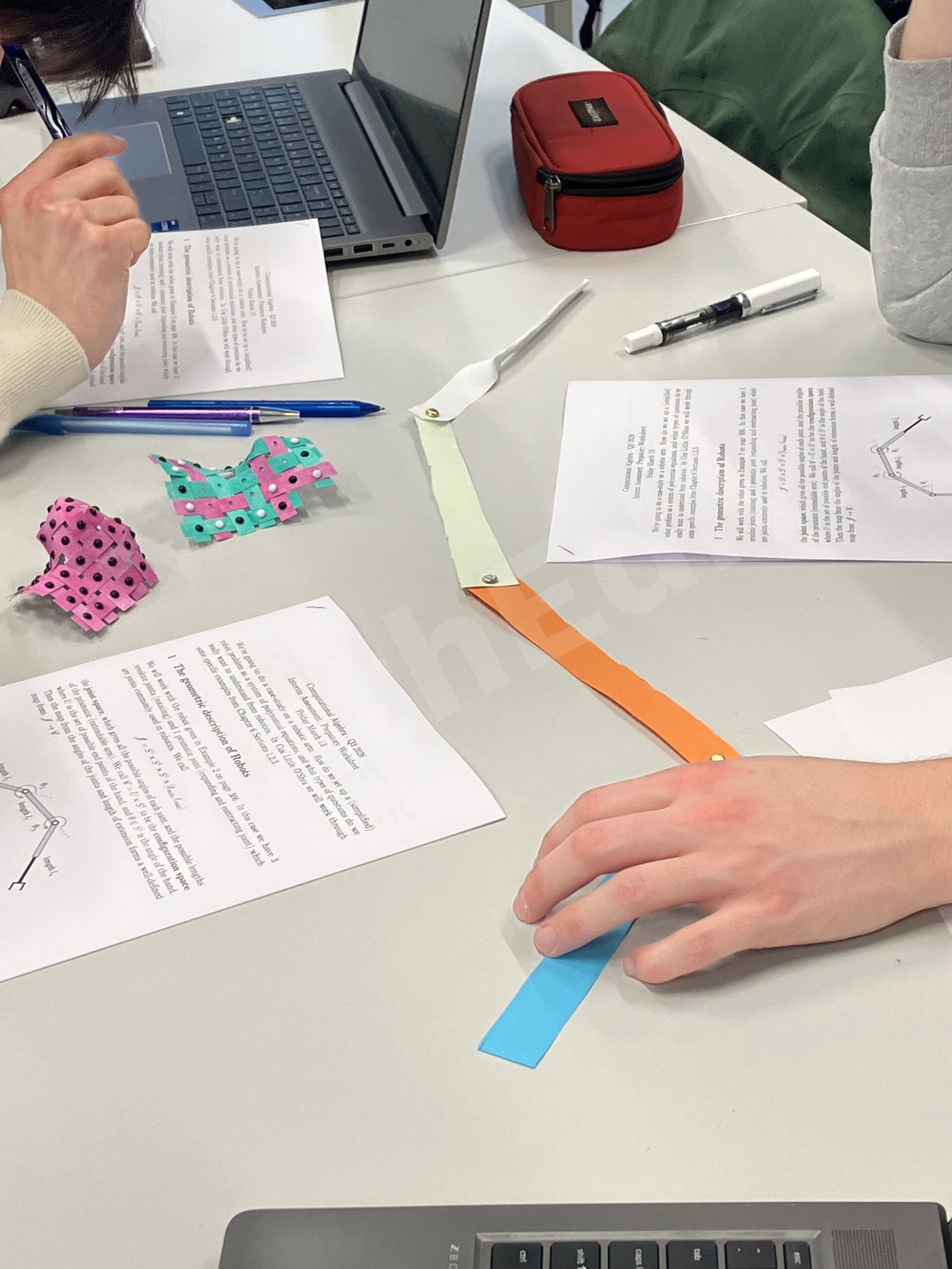
- Extended group work (60–90 minutes) formed the core of the class. Students worked in groups on substantial problems, discussed approaches, explored incorrect directions, and coordinated across groups when working on different strategies.
- A wrap-up discussion (5–15 minutes) was adapted to the group work, often highlighting multiple solution paths and incorporating insights that emerged during class.
Student support was built in through repeated structure, regular in-class feedback, and attention to names, pronouns, and backgrounds. Group work allowed for different entry points and levels of depth, depending on prior experience.
I have worked in various styles of active learning classrooms since 2015. This structure was designed to match my personal style and structure of lecturing at our university. I’ve used various resources over the years to find techniques that work for my style. As a start you could look at: https://ctl.wustl.edu/resources/active-learning-evidence/
Evaluation
The practice was evaluated using:
- Student performance on the assessment.
- Student written and verbal feedback.
- Instructor reflection on engagement, classroom dynamics, and workload.
Outcomes and Insights
Student engagement was consistently high. Feedback indicated that students found the format effective for learning and retention and were more motivated to attend class. Assessment results showed a wide range of scores, suggesting that collaboration did not obscure individual understanding. Performance remained correlated with engagement.
From the instructor perspective, the approach required more active in-class involvement but less preparation outside class. The structure scales well to medium-sized classes (up to 60-80 students) and supported meaningful interaction even with higher student–teacher ratios. Overall, the active-learning format has been effective and will be used again in future courses.
I’ll conclude with a review from a student on the end-of-course evaluations: “The teaching format was completely different from all other courses I’ve taken but also probably the best experience I’ve had with learning. I personally found that the interactive component was extremely helpful for learning and retaining information. I usually don’t go to lectures but for this course I found that it was worth it to attend simply because the learning environment is the most efficient I’ve seen in any class”